
Sciatica is a common condition that causes pain along the sciatic nerve. When the nerve becomes compressed or irritated, symptoms such as pain, tingling, or numbness may occur. Many individuals experience sciatica due to poor posture, prolonged sitting, or spinal misalignment. When the spine is supported correctly, pressure on nerves can decrease.
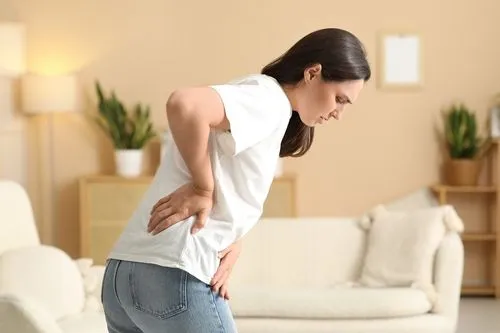
Understanding Sciatica and Spinal Alignment
Sciatica develops when the sciatic nerve becomes inflamed or compressed. Several conditions can contribute to this issue. Herniated discs, degenerative disc disease, and muscle tension in the lower back are common causes. The lumbar spine supports much of the body’s weight. If posture is poor, uneven pressure may develop along the vertebrae and spinal discs. Over time, this pressure can irritate nearby nerves.
How Poor Posture Contributes to Sciatica
Poor posture places stress on the lower back and pelvic region. Slouching while sitting causes the lumbar spine to lose its natural curve. When this occurs, spinal discs may experience uneven pressure. Muscles surrounding the spine may also tighten when posture is incorrect. Tight muscles can pull on surrounding structures, increasing irritation near the sciatic nerve. Sitting for long periods often worsens these issues.
Tips for Maintaining Proper Sitting Posture
Correct sitting posture supports the natural curves of the spine. Feet should remain flat on the floor, and the knees should stay level with or slightly below the hips. The back should remain straight while the shoulders stay relaxed.
A supportive chair can help maintain lumbar alignment. Some individuals use a small cushion or lumbar support to maintain the natural curve of the lower back. Screens should be positioned at eye level to prevent forward head posture.
Standing and Lifting With Proper Alignment
Standing posture is just as important as sitting posture. The head should remain centered above the shoulders, while the shoulders stay aligned with the hips. Body weight should be distributed evenly between both feet.
Proper lifting technique is also essential. The knees should bend while the back remains straight. Lifting with the legs instead of the lower back helps reduce strain on the lumbar spine.
Sciatica Treatment in North Charleston, SC
Living with sciatica can affect work, sleep, and daily comfort. Early evaluation helps determine the cause of nerve irritation and guides effective treatment.
Spine Pain Center - Ashley Phosphate provides sciatica treatment for patients in North Charleston, SC, experiencing nerve-related pain. To learn more or schedule an appointment, call our office at (843) 225-5728. Individuals seeking sciatica treatment or a chiropractor can receive personalized care designed to relieve sciatica symptoms, improve posture, and support long-term spinal health at our clinic.
